
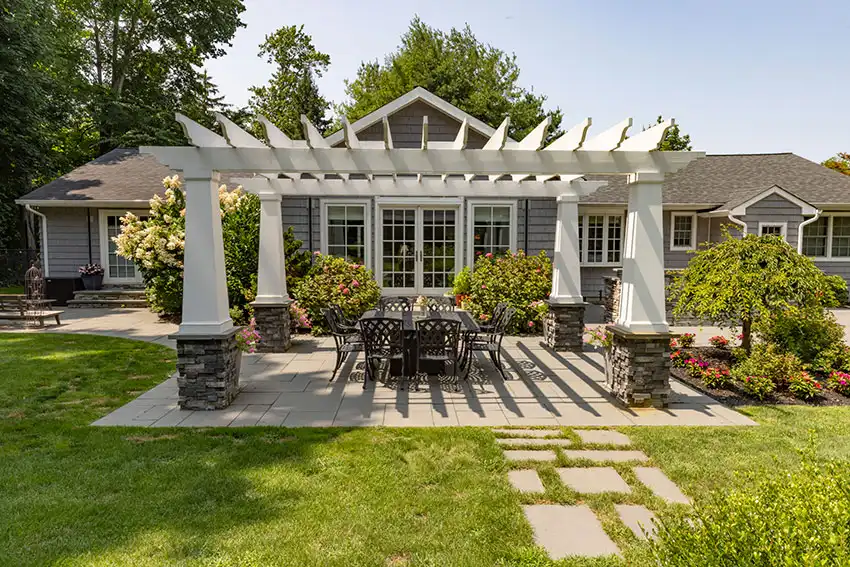
A lot of outdoor spaces don’t fail because of budget, they fail because of poor planning.
You’ll see it all the time. Nice materials, decent plants… but something just feels off. The space doesn’t flow, it’s hard to use, or it becomes high-maintenance within months.
Good landscaping isn’t complicated, but there are a few fundamentals that make a big difference if you get them right early.
- Not Starting With a Plan
This is probably the biggest one.
People jump straight into laying pavers or planting without thinking about how the space will actually be used. Then later they realise there’s no proper walkway, seating area, or connection between zones.
Even a rough plan helps. It doesn’t need to be perfect just enough to think through layout before committing.
- Too Much of One Thing
Some gardens go heavy on paving and feel cold. Others are packed with plants and become hard to maintain.
You generally want a mix:
– Hard surfaces for structure and usability
– Plants to soften the space and add life
It doesn’t have to be 50/50, but there should be some balance.
- Ignoring the Climate
What works in one place doesn’t always work somewhere else.
A common mistake is choosing plants or lawn types that need more water or care than the environment can realistically support. That’s when gardens start looking tired pretty quickly.
Working with the conditions you have usually leads to a better result long-term.
- Overlooking Drainage
Drainage is one of those things people don’t think about until it becomes a problem.
Water pooling on paving, soggy lawn areas, or plants struggling for no obvious reason, it’s often a drainage issue.
It’s much easier to deal with this at the start than trying to fix it later.
- Everything at the Same Height
Flat gardens can look a bit lifeless.
Even small changes raised garden beds, slightly different levels, or layered planting can make a space feel more interesting without adding much complexity.
- Choosing Looks Over Practicality
Something might look great in a photo, but that doesn’t mean it works in real life.
Things like:
– Narrow walkways
– Seating in full sun
– Awkward layouts
…can make a space frustrating to use, even if it looks good.
- Not Thinking Ahead
Plants grow. Trees spread. Spaces get used differently over time.
A garden that looks perfect on day one can become overcrowded or difficult to maintain if there’s no long-term thinking behind it.
Spacing, access, and maintenance all matter more than people expect.
Bringing It All Together
Most of these issues come down to the same thing thinking about the space as a whole, not just individual parts.
If you’re trying to figure out how everything should come together, it can help to look at how professionals approach it. This breakdown of landscaping in Melbourne is a good example of how layout, materials, and usability all tie in together.
Final Thoughts
You don’t need to overcomplicate landscaping to get a good result.
Getting the basics right layout, balance, drainage, and planning ahead will take you further than chasing trends or copying designs.
Most problems people run into later could have been avoided with a bit more thought at the start. If you’re looking for how to proceed with house renovation, look at our complete guide.